What Flooring Should I Choose? Hybrid vs Laminate vs Herringbone (Plus Must-Have Accessories)

When renovating or building a home, flooring is one of the most important decisions you will make. The right flooring can completely transform the look and feel of your space while also improving durability and comfort. Many homeowners today are comparing Hybrid flooring, Laminate flooring, and the increasingly popular Herringbone pattern. Each option offers different benefits depending on your lifestyle, design preferences, and budget. If you’re planning a renovation in Hoppers Crossing or nearby Melbourne suburbs, this guide will help you understand which flooring option is best suited for your home. In this article, we’ll cover: The key differences between hybrid, laminate, and herringbone flooring Which flooring works best in different areas of the home Essential accessories that ensure a perfect installation Let’s explore these options in a clear and practical way. Hybrid Flooring – Durable and Waterproof for Modern Homes Hybrid flooring has rapidly gained popularity across Australia because it combines the strengths of multiple flooring technologies. It is designed to provide the durability of laminate along with the water resistance of vinyl flooring. This makes hybrid flooring a practical choice for households that want both performance and style. Why hybrid flooring is popular One of the biggest advantages of hybrid flooring is its ability to handle moisture and daily wear. Many modern homes prefer hybrid flooring because it performs well in busy environments. Key benefits include: Excellent water resistance Strong and durable wear layer Resistance to scratches and dents Comfortable surface underfoot Simple click-lock installation system Because of its waterproof properties, hybrid flooring can be used in areas where traditional laminate flooring may struggle, such as kitchens, hallways, and laundry areas. It is also available in a wide variety of timber-inspired designs, allowing homeowners to achieve the warmth of wood flooring without the maintenance that real timber requires. Ideal homes for hybrid flooring Hybrid flooring works particularly well in: Family homes with children Houses with pets Open-plan living spaces Renovations requiring long-lasting flooring Homes needing water-resistant surfaces For many homeowners in Melbourne’s western suburbs, hybrid flooring offers a balance between style, durability, and practicality. Laminate Flooring – Stylish and Budget Friendly Laminate flooring remains a popular choice for homeowners who want the appearance of timber flooring at a more affordable price. Laminate boards are made from several layers compressed together, with a high-quality photographic layer on top that replicates natural wood patterns. Over the years, laminate flooring has improved significantly and now offers a wide variety of finishes that look very close to real timber. Advantages of laminate flooring Laminate flooring is attractive for homeowners because it provides a good combination of affordability and style. Some of its benefits include: Lower cost compared to many flooring options Realistic wood-style designs Strong scratch-resistant surface Quick and easy installation Large range of colours and textures For homeowners updating their interiors on a budget, laminate flooring can be an excellent solution that still delivers a modern appearance. Where laminate flooring works best Although laminate flooring is durable, it is generally not completely waterproof. Because of this, it performs best in areas where moisture exposure is limited. Laminate flooring is most commonly installed in: Bedrooms Living rooms Study areas Home offices When used in the right areas, laminate flooring can provide years of reliable performance while maintaining an elegant timber look. Herringbone Flooring – A Classic Pattern Making a Comeback Herringbone flooring is not a specific material but rather a distinct installation pattern that creates a striking visual effect. Instead of placing planks in a straight line, the boards are arranged in a zig-zag pattern, forming a design that has been used in European interiors for centuries. In recent years, this pattern has become extremely popular in modern Australian homes because it adds character and sophistication to a room. Why homeowners choose herringbone Herringbone flooring instantly creates a premium appearance and adds architectural interest to a space. Benefits include: A distinctive and elegant design Increased visual depth in rooms A timeless style that suits modern and classic homes Potential to enhance property value Because the pattern requires precise alignment, installing herringbone flooring can be more complex than standard plank layouts. However, the final result is often worth the extra effort. Ideal areas for herringbone flooring Herringbone flooring works particularly well in spaces where you want the flooring to stand out. Common installation areas include: Living rooms Entrance areas Hallways Feature spaces in modern homes Designer renovation projects Today, many homeowners combine hybrid technology with the herringbone pattern, allowing them to enjoy both durability and high-end aesthetics. Hybrid vs Laminate vs Herringbone – Quick Comparison To help you choose more easily, here is a simple comparison between the three options. Feature Hybrid Flooring Laminate Flooring Herringbone Flooring Water Resistance Very high Limited Depends on material Durability Excellent Very good High Design Style Natural timber look Timber look Decorative pattern Best Installation Areas Whole house Living areas & bedrooms Feature rooms Price Range Mid range Budget friendly Premium In simple terms: Hybrid flooring is best for durability and moisture resistance Laminate flooring offers style at a lower cost Herringbone flooring delivers a luxury design statement Important Flooring Accessories You Shouldn’t Ignore While selecting the flooring type is important, many homeowners overlook the accessories that ensure the installation looks complete and performs well. These small components play a crucial role in the final outcome. Underlay Underlay is installed beneath the flooring boards and improves overall performance. It provides: Sound insulation Increased walking comfort Temperature insulation Moisture protection A quality underlay can significantly improve the longevity of your flooring. Scotia or Beading Scotia or beading is used along the edges of the floor to cover the expansion gap between the flooring and the wall or skirting board. This finishing detail creates a clean and professional appearance. Stair Nosing For homes with stairs, stair nosing protects the front edge of each step. It also improves safety and helps create a smooth transition between flooring surfaces. Transition Trims Transition trims connect different flooring surfaces between rooms. They
Is Herringbone Hybrid Flooring Worth It in 2026? Pros, Cons & Cost Guide

Flooring trends change every few years, but herringbone hybrid flooring has quickly become one of the most talked-about flooring styles in Australia. In 2026, homeowners renovating or building new homes are increasingly choosing this flooring option because it combines modern durability with a luxury design pattern. But is it really worth the investment? If you are planning to upgrade your home flooring in Hoppers Crossing or Melbourne’s western suburbs, this guide will help you understand whether herringbone hybrid flooring is the right choice for your home. In this article, we will cover: What herringbone hybrid flooring is The major advantages and disadvantages Average costs in Australia in 2026 Where it works best in the home Let’s break it down simply and practically. What is Herringbone Hybrid Flooring? Before deciding whether it’s worth it, it’s important to understand what this flooring actually is. Herringbone hybrid flooring combines two elements: Hybrid flooring technology Herringbone installation pattern Hybrid flooring itself is made from multiple layers that usually include a rigid core, a waterproof layer, a decorative timber-look surface, and a protective wear layer. This construction makes it strong, stable, and moisture-resistant. The herringbone pattern, on the other hand, refers to the way the planks are installed. Instead of laying boards in straight rows, the planks are arranged in a zig-zag pattern, creating a distinctive and elegant visual effect. This pattern has been used in European architecture for centuries, but modern hybrid technology has made it more accessible and durable for today’s homes. Why Herringbone Hybrid Flooring Is Trending in 2026 Interior design trends in Australia are moving towards feature flooring rather than plain layouts. Many homeowners want flooring that: Adds character to the home Creates a luxury feel Works well with modern interiors Herringbone hybrid flooring achieves all three. Because hybrid flooring is also waterproof and durable, it allows homeowners to enjoy a high-end look without the maintenance challenges of traditional timber flooring. For many new builds and renovations across Melbourne, it has become a design statement rather than just a flooring material. Pros of Herringbone Hybrid Flooring 1. Premium Visual Appeal One of the biggest advantages is its appearance. The herringbone pattern immediately gives a room a designer and sophisticated look. It works especially well in: Living rooms Entryways Hallways Open-plan homes Compared to straight plank flooring, the pattern adds depth, movement, and architectural interest to the space. 2. Waterproof Performance Hybrid flooring technology is known for its excellent water resistance. This means herringbone hybrid flooring can often be used in areas where traditional timber flooring would not be suitable, such as: Kitchens Dining areas Hallways For busy households, this waterproof feature is a major advantage. 3. Strong and Durable Hybrid flooring is designed to handle everyday wear and tear. Most products include a durable wear layer that resists scratches, dents, and fading. This makes it ideal for: Homes with pets Families with children High traffic areas For homeowners who want flooring that lasts for years, durability is an important factor. 4. Easy Maintenance Another benefit is that hybrid flooring is very easy to maintain. Unlike natural timber flooring, it does not require sanding, polishing, or special treatments. Basic cleaning usually involves: Regular sweeping or vacuuming Occasional damp mopping This makes it a practical option for busy households. 5. Adds Value to the Home Because of its stylish design, herringbone flooring can increase the visual appeal of a property. Homes with designer flooring patterns often stand out more during property sales or rentals. This can potentially improve the perceived value of the home. Cons of Herringbone Hybrid Flooring While there are many benefits, it is also important to consider the possible downsides. 1. Higher Installation Cost Installing herringbone flooring is more complex than standard plank flooring. The pattern requires careful alignment and precise cutting, which means: Installation takes longer Labour costs are higher. As a result, the total installation price can be significantly higher than that of straight-plank flooring. 2. More Material Waste The herringbone pattern often produces more offcuts and waste during installation. This can slightly increase the amount of material required for the project. For large homes, this may add to the overall flooring budget. 3. Requires Professional Installation Although hybrid flooring itself is often designed for click-lock installation, the herringbone pattern is more complicated. In most cases, it is recommended to use professional flooring installers to ensure the pattern is perfectly aligned. Poor installation can affect both the appearance and durability of the flooring. 4. Higher Product Cost Herringbone hybrid flooring products themselves are usually priced higher than standard hybrid planks. This is mainly because the planks are designed specifically for pattern installation. Cost of Herringbone Hybrid Flooring in Australia (2026) Flooring prices vary depending on the brand, quality, and installation complexity. However, the typical price range in Australia in 2026 is approximately: Material cost Standard hybrid flooring: $40 – $70 per m² Herringbone hybrid flooring: $60 – $100 per m² Installation cost Straight plank installation: $25 – $40 per m² Herringbone installation: $45 – $80 per m² This means the total cost of herringbone hybrid flooring may range between: $110 – $180 per m² installed While this is more expensive than basic laminate or hybrid flooring, many homeowners consider it worthwhile for the premium appearance it delivers. Where Herringbone Hybrid Flooring Works Best Although it can be installed throughout the home, many designers recommend using herringbone flooring strategically. Popular areas include: Living rooms Entryways Hallways Dining rooms Open-plan spaces Some homeowners even combine flooring styles by installing: Herringbone flooring in feature areas Standard hybrid planks in bedrooms This approach helps balance cost and design impact. Is Herringbone Hybrid Flooring Worth It? For many homeowners in 2026, the answer is yes — especially if design and durability are important. Herringbone hybrid flooring offers: A high-end designer appearance Strong durability for busy households Waterproof performance Low maintenance requirements Although the installation cost is higher, the visual impact and long-term durability often make it a worthwhile investment. Flooring Solutions in
Engineered VS Solid Timber Floorboards: What’s Best For Your Victorian Home
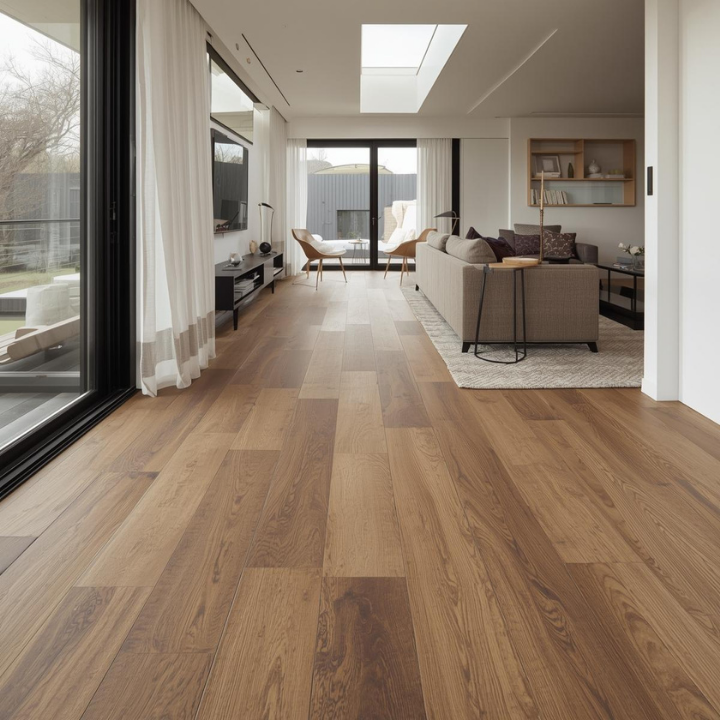
It is the age-old dilemma when restoring or renovating your classic Australian home. When it comes to timber flooring, should you stick with the time-tested solid timber floorboards, or embrace the structured engineered timber? For us here at Floor Decor, the style of your floorboard is more than just wood. It’s about heritage, performance, and what truly suits your property. If your property happens to be a gorgeous character-filled Victorian home, the choice becomes even more nuanced. These grand old dames of Australian architecture demand a flooring solution that combines history with modernity. This guide will help you understand both options and decide what’s truly best for your Victorian treasure. What is solid timber flooring? Solid timber flooring is the original wood floor. Every single plank is milled from a single, continuous piece of natural hardwood. These boards are typically thick, measuring approximately 19mm. This flooring offers unparalleled structural integrity. When you walk on a solid timber floor, you are walking on nature itself. The grain runs all the way through, giving it that unmistakable, deep-seated authenticity that so many Victorian home owners desire. The pros of using solid timber Longevity: If properly maintained, these floors can last 75 to 100 years. This makes these floors an excellent generational investment. Refinishability: Since this wood is thick all the way through, it can be sanded and refinished multiple times. This ability to erase decades of wear and tear is an advantage. Authenticity: For a Victorian restoration, a solid timber floor complements the home’s period features. The cons of using solid timber Moisture sensitivity: Being a single piece of wood, solid timber is highly susceptible to expansion and contraction when humidity and temperature fluctuate. In an older Victorian home, especially one with a raised subfloor, this movement can cause gaps, warping, or cupping. Installation difficulty and cost: Installation is complex, requiring expert nailing down onto a plywood or timber subfloor and usually demanding an acclimatisation period. The material and professional labour costs are typically the highest for both options. What is engineered timber flooring? Engineered timber is often misunderstood as laminate or synthetic, but this is far from the truth. It is a brilliant, layered product designed to maximise the beauty of real wood while minimising its vulnerabilities. An engineered plank consists of multiple layers bonded together. The top layer is the same premium species seen in solid timber. This gives it its natural appearance. Beneath this are several layers of structural material glued together in a cross-grain pattern. The pros of using engineered timber Stability: The construction of the plank makes it more stable and resistant to moisture and temperature changes. This is a massive benefit as Victorian homes often have slightly damp, uneven subfloors or are located in seasonal climates. Installation versatility: This flooring can be installed over a variety of subfloors and is compatible with underfloor heating. Cost effective: While prices vary based on various factors, engineered timber is generally more affordable than solid timber. The cons of using engineered timber Limited refinishing: Engineered flooring has a shorter lifespan determined by the thickness of its top veneer. Their general lifespan is around 20 to 40 years. Perceived authenticity: Although the surface is real wood, some purists feel it lacks the depth of solid wood. A comparison between the two Here’s how the two flooring choices compare. Category Solid Timber Engineered Timber Installation & Subflooring Requires a perfectly level, moisture-controlled subfloor. Must be nailed into place. Difficult to install over concrete unless a complex and costly timber-batten system is added. Can be installed as a floating floor over uneven concrete or existing subfloors. Highly adaptable and stable. Longevity & Refinishing Can be sanded and refinished multiple times, allowing colour and texture changes. Offers exceptional long-term lifespan. High-quality engineered flooring lasts for decades but has limited refinishing potential. Once the veneer is sanded through, it must eventually be replaced. Moisture & Climate Resistance Highly vulnerable to climate fluctuations. May shrink in dry winters and swell in humid summers, leading to gaps. Layered core construction makes it resistant to moisture-related movement. Performs well in unpredictable Australian weather. Cost & Budget Higher upfront cost but a strong long-term investment due to its durability and refinishing potential. Lower material and installation costs. May need replacing in 30–40 years but offers a premium look at a more accessible price. Final thoughts If you love the idea of keeping things authentic, building something that lasts for generations, and you’ve got the budget and a well-prepared subfloor, solid timber is hard to beat. It’s not just a flooring choice — it’s an investment in timeless beauty and quality that your family can enjoy for decades to come. However, if your priorities lean towards dimensional stability, ease of installation, and budget flexibility, then engineered timber is the more intelligent, more practical choice. In many modern Victorian renovations, the stability and versatility of engineered timber make it an intelligent flooring decision, allowing you to achieve an authentic look without inheriting the movement and moisture issues that have ruined the solid wood in older houses. To make the right choice, always consult a professional who can assess your specific subfloor and environment. We’re here at Floor Decor to help you walk through every option, ensuring the floor you choose honours your home’s history while serving your future.